Top Rated HVAC Contractors
Frequent AC Repairs: How to Recognize When Your System Requires Service
Air conditioning units are essential for ensuring comfort, particularly during the warmer months. However, they can develop issues that compromise their efficiency. Indicators including poor cooling, strange odors, or unusual noises commonly signal get more info that repairs are needed. Being aware of these warning indicators is important for homeowners. The next steps in identifying these problems can lead to timely interventions and improved system performance. What are the most important indicators to monitor?
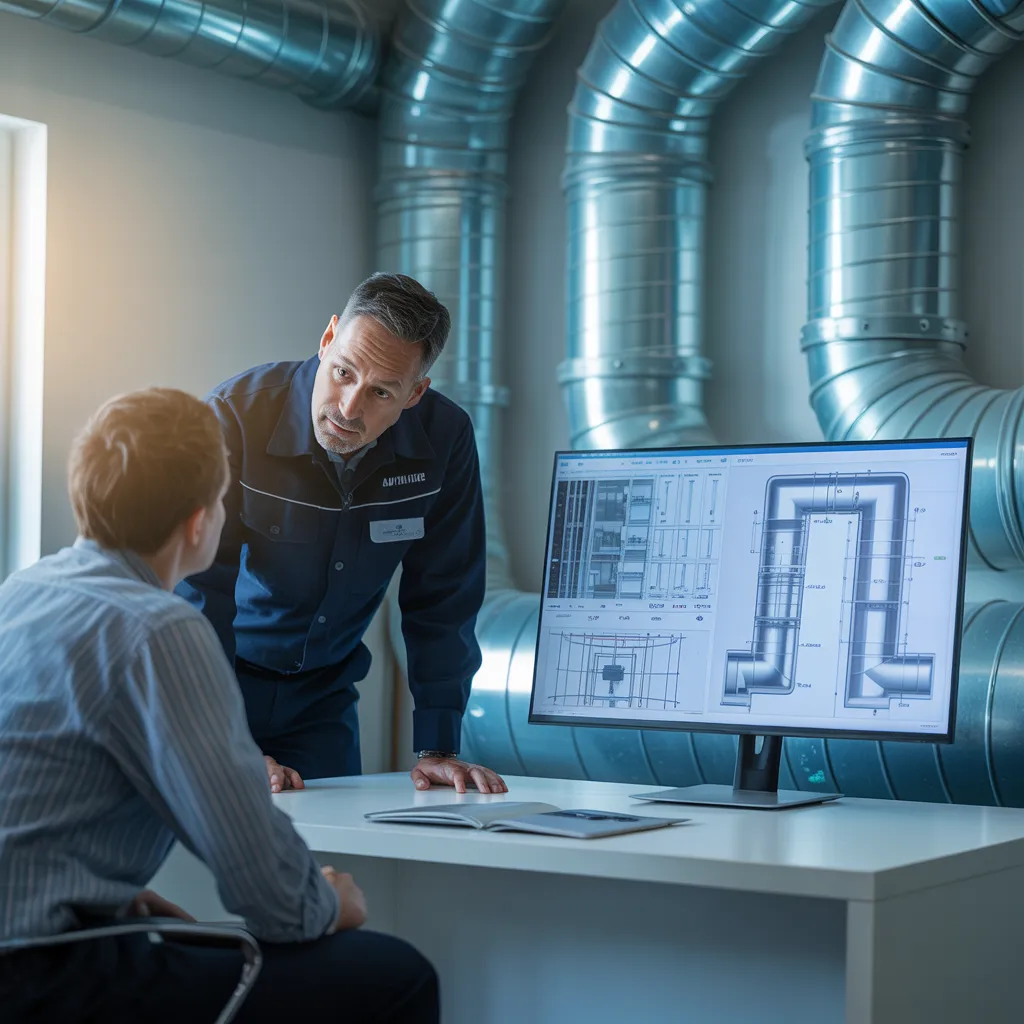
Top Signs Your AC Needs Repair
How can homeowners determine when their air conditioning units are in need of repair? Recognizing the signs of a malfunctioning air conditioning system is vital for maintaining comfort and efficiency. One of the first indicators is inadequate cooling; if the system has difficulty holding the desired temperature, it likely requires professional attention. Homeowners ought to remain watchful for odd scents emerging from the vents, as these can point to concerns such as mold development or electrical malfunctions.
In addition, elevated energy expenses without altered usage patterns can indicate inefficiency, indicating possible repair needs. The repeated cycling on and off, commonly called short cycling, can also be a sign of trouble. Finally, moisture accumulation around the unit or odd sounds like hissing or bubbling, can reveal underlying complications. Addressing these signs promptly can allow homeowners to circumvent more serious repair needs and guarantee their air conditioning systems operate effectively.
What Is Causing Your AC to Make Strange Noises?
Strange noises from an air conditioning unit often indicate underlying issues that require attention. Typical noises consist of rattling, which may suggest unfastened components or accumulated debris throughout the system. Hissing noises can point to refrigerant leaks, potentially compromising efficiency and leading to further damage. Grinding sounds commonly suggest deteriorating bearings or problems with the motor, and a sharp high-pitched squeal might point to issues affecting the compressor or fan unit.
Additionally, should a unit generate a continuous buzzing noise, it may indicate an electrical problem or a faulty capacitor. Such noises not only interfere with comfort but also act as important warning indicators. Ignoring them can result in more extensive repairs or system failure. Homeowners ought to observe these sounds carefully and reach out to an experienced technician to pinpoint the problem precisely. Prompt action can help ensure the durability and optimal performance of the air conditioning unit.
Detect Ineffective Cooling Concerns
When dealing with poor cooling performance from an AC unit, homeowners frequently question what might be behind the problem. Multiple issues may be responsible for a unit's reduced cooling capacity. One of the most typical culprits is a clogged or unclean air filter, which obstructs air circulation and lowers overall cooling performance. Additionally, refrigerant leaks can lead to insufficient cooling, as the system lacks the necessary fluid to absorb heat. A further issue could involve a unit that is incorrectly sized, which cannot effectively cool the intended area. Homeowners should also consider thermostat issues, such as improper configurations or faulty sensors that disrupt normal system operation. In addition, clogged vents or ducts can hinder proper airflow, further complicating cooling efforts. Recognizing these problems at an early stage can help avoid major issues and maintain top-level performance from the cooling unit. Regular maintenance and inspections can help mitigate these challenges before they escalate.
What to Do About Unusual Smells From Your AC
What might be responsible for unusual smells emanating from an air conditioning unit? Several causes may be responsible for these smells, frequently pointing to deeper problems. A damp, musty scent might signal mold or mildew developing within the system, typically due to excess moisture. Conversely, a burning smell could indicate electrical problems or overheating components, requiring prompt action. When a sharp, chemical odor is noticeable, it may point to refrigerant leaks, which necessitate immediate assessment.
In addition, a strong, foul odor can arise from rodents sheltering within the unit, demonstrating the need for a thorough inspection. Household members should review air filters, as clogged filters can also lead to unpleasant smells. Consistent servicing is crucial to address these issues. Ultimately, recognizing the cause of odd smells is critical for the optimal performance of the air conditioning system and helps maintain a healthy indoor environment.
When to Call a Professional for AC Repairs
What signals should homeowners look for to know when professional AC repair is needed? Understanding the indicators that suggest professional involvement is key to preserving the performance of your cooling system. Should the air conditioner begin making odd noises, including grinding or hissing, it may be an indication of mechanical concerns that require skilled attention. Additionally, inconsistent temperatures throughout the home or a sudden increase in energy bills can indicate underlying problems that professionals should address.
Homeowners must also watch for any signs of leaking or excess moisture around the system, as these can cause considerable damage to the system. If the system is unable to cool efficiently, despite running continuously, it is time to consult a technician. Furthermore, if the unit is aging and suffering repeated breakdowns, professional evaluation and repair can prevent costly replacements. Acting swiftly can maximize the longevity of the AC system and secure peak efficiency.
Essential Tips for Maintaining Your AC System
Keeping up with an AC system is important for its durability and optimal performance. Periodic filter updates, seasonal maintenance checks, and outdoor component cleaning are critical routines that reduce the risk of costly breakdowns. Following these straightforward measures ensures top performance while enhancing indoor air quality.
Routine Filter Replacement
Consistently changing the air filter is vital for optimal air conditioning performance. Dirty or blocked filters can restrict airflow, leading to inefficient cooling and increased energy consumption. Such pressure on the equipment can result in elevated energy costs and possible system breakdown. Specialists suggest checking filters monthly and replacing them every one to three month period, depending on usage and environment. Residences with pets or significant dust accumulation may require more frequent changes. A fresh filter improves indoor air quality by catching dust and allergens while also extending the AC unit's operational life. By prioritizing filter maintenance, homeowners can guarantee their air conditioning system runs smoothly and dependably during the entire cooling season.
Seasonal System Inspections
Routine seasonal inspections are vital for ensuring optimal performance and extended lifespan of air conditioning systems. These inspections allow technicians to identify potential issues before they escalate into costly repairs. Throughout an inspection, technicians commonly examine refrigerant levels, review electrical connections, and analyze the general system functionality. Additionally, they may test the thermostat functionality to ensure accurate temperature control. Regular maintenance can lead to improved energy efficiency, reducing utility bills and promoting a more comfortable indoor environment. Homeowners are encouraged to schedule these checkups at least once or twice a year, ideally before the cooling season begins. Proactive attention to the AC system can greatly extend its lifespan and enhance overall reliability.
Clean Your Outdoor Unit
Washing the exterior unit is a crucial step in ensuring a cooling system runs efficiently. Debris, dust, and leaves can collect around the unit, obstructing airflow and lowering efficiency. Regular cleaning helps prevent overheating and extends the lifespan of the system. Residents should disconnect the power before cleaning to guarantee safety. With a soft brush or a garden hose, they can softly remove debris from the fins and surrounding area. Additionally, removing any vegetation within 2 feet of the unit improves airflow. It is also advisable to examine and clean the condenser coils regularly. By keeping the outdoor unit clean, residents can boost energy efficiency and lower the likelihood of high-cost repairs.
Questions Our Customers Often Ask
How Regularly Should I Schedule Standard AC Maintenance?
Experts recommend planning standard AC servicing no less than one time per year. That said, in locations with intense climate conditions or high demand, semi-annual evaluations can boost effectiveness and increase the system's longevity, guaranteeing optimal operation.
Can I Troubleshoot AC Problems Myself?
Yes, homeowners can address AC issues on their own by examining filters, looking for blockages, and verifying that power sources are working properly. Nevertheless, it is advisable to seek professional help for more complex problems to prevent potential damage or safety risks.
What Are the Fees Associated With AC Repairs?
The typical cost of AC repairs ranges from $100 to $1,500, depending on the issue's complexity. Factors influencing expenses include parts, labor rates, and system age, as consistent maintenance can help lower the risk of costly repairs down the line.
How Long Should an AC Unit Last?
An air conditioning unit generally has a lifespan of anywhere from 15 to 20 years, subject to factors like regular servicing, operational habits, and overall quality. Regular servicing can extend its lifespan, while neglect may lead to premature failure.
Can I Find Energy-Efficient Upgrades for My AC System?
Yes, energy-efficient upgrades for an AC system consist of incorporating a programmable thermostat, switching to a high-efficiency model, improving insulation, and incorporating variable speed motors. These enhancements can considerably cut down on energy consumption and minimize utility expenses.